

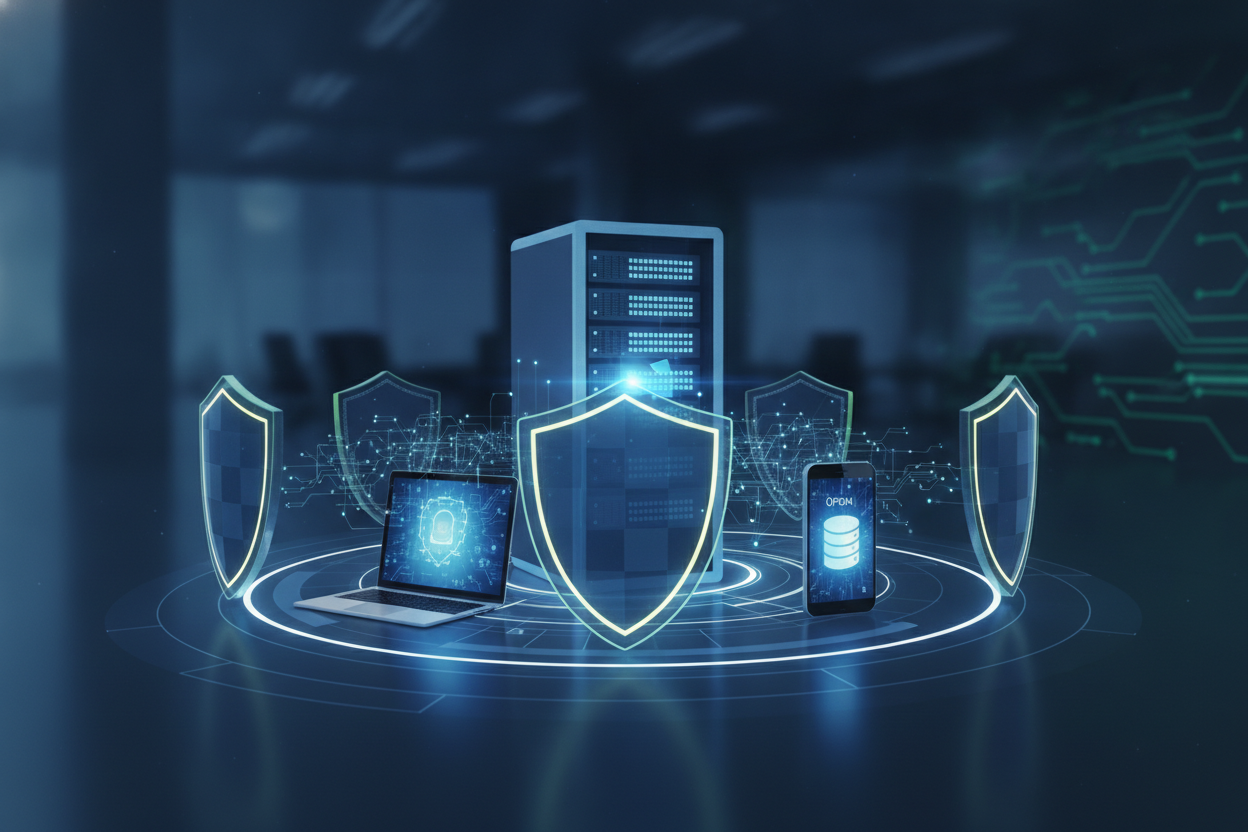
Cybersecurity is often framed as a technical issue, but many of the most effective defenses are simple habits. Strong security starts with consistency: keeping software updated, using unique passwords, and paying attention to unusual account activity. For busy professionals, these basics can dramatically reduce exposure to common threats.
One of the most important habits is multi-factor authentication. When enabled across email, cloud tools, banking, and collaboration platforms, it adds a valuable layer of protection even if a password is compromised. It is also worth using a password manager, since it makes strong credential hygiene easier to maintain across dozens of services.
Phishing remains one of the most common attack methods because it targets human behavior rather than software flaws. Training yourself and your team to inspect links, verify unexpected requests, and pause before sharing sensitive information can prevent many incidents. A few seconds of caution often saves hours of cleanup.
Device security matters too. Encrypted storage, automatic locking, and regular backups are practical safeguards for laptops and mobile devices. Remote work and travel make these protections even more important, especially when sensitive files live on portable hardware.
Good cybersecurity is not about paranoia; it is about reducing avoidable risk. Small, repeatable habits create a stronger security posture over time and help businesses stay resilient in a digital environment where threats are constantly evolving. The organizations that treat security as a daily practice are better positioned to protect trust, continuity, and reputation.
Leave a Reply